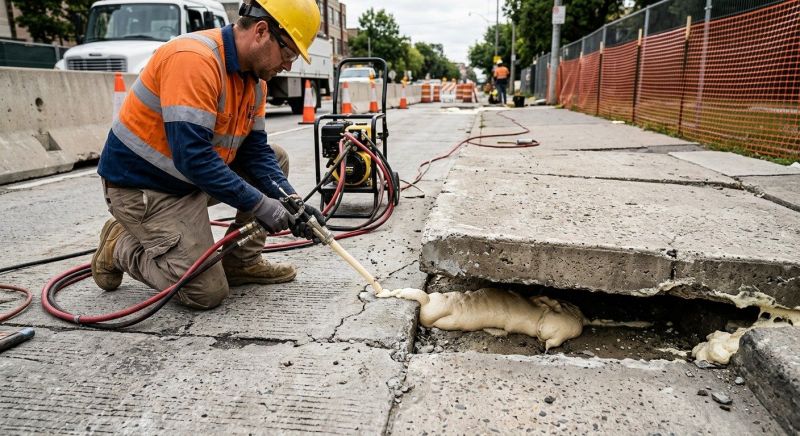
Void Filling in Denver, CO
Void filling services involve the process of stabilizing and supporting areas within a property where gaps, empty spaces, or unstable materials have developed. This service is commonly requested for projects such as foundation repairs, basement stabilization, or filling voids created by settling or erosion beneath slabs and walls. Property owners typically seek void filling to prevent further structural issues, improve safety, or prepare a space for additional construction or finishing work. Before requesting this service, it’s helpful to understand the extent of the voids, the underlying cause, and the best materials to be used for filling, ensuring the process effectively addresses the specific needs of the property.
These services are suitable for a range of projects including repair of sinking slabs, stabilization of retaining walls, or filling empty spaces in crawl spaces and basements. Homeowners often want to know about the methods used to fill voids, the types of materials involved, and how the process may impact the stability of their property. Clear understanding of the scope of work and any necessary preparations can help ensure the project proceeds smoothly and achieves the desired results.
Many property owners in Denver, CO look into Void Filling for repairs, replacements, upgrades, and appearance-related improvements.
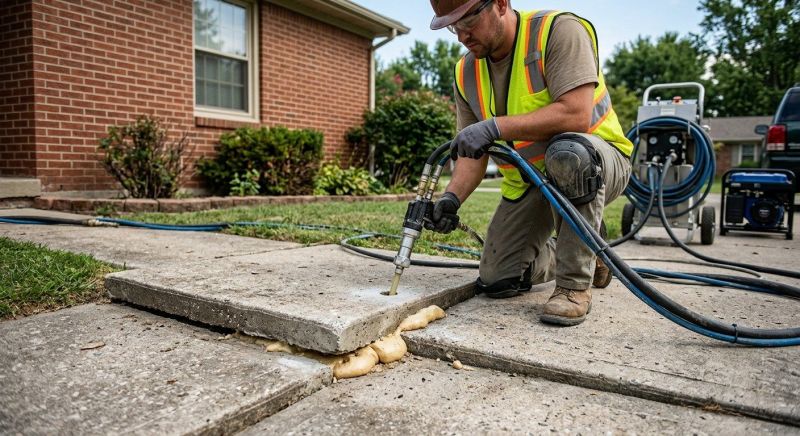
Foundation Repair Support
Void filling helps stabilize uneven or settling foundations in denver homes.
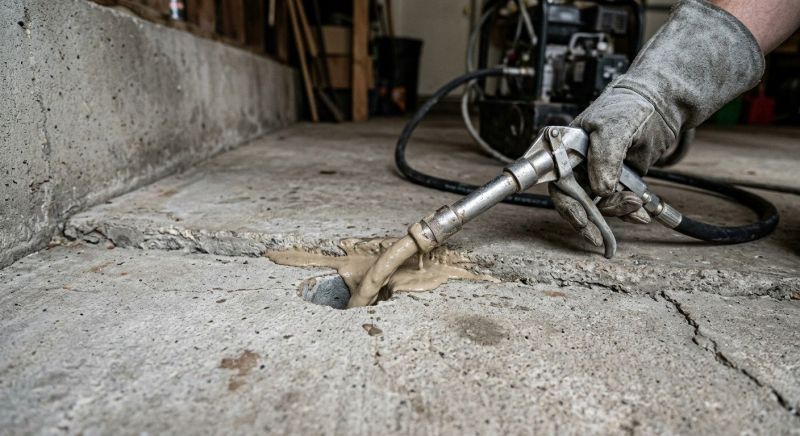
Basement And Crawl Space Solutions
Filling voids can prevent further damage and improve structural integrity in basements and crawl spaces.
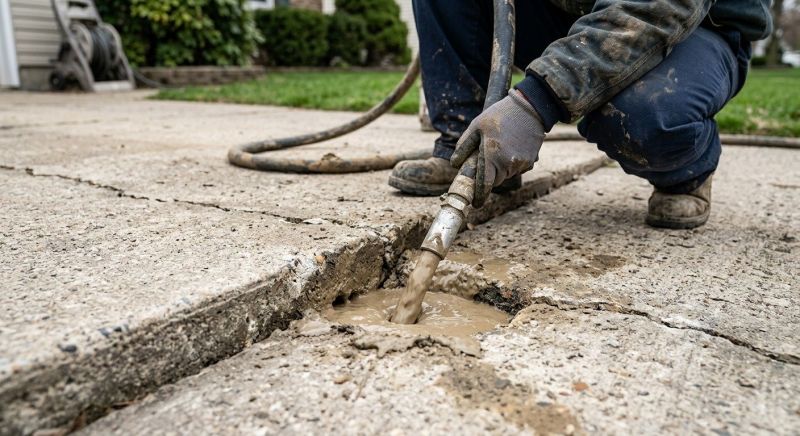
Property Maintenance And Safety
Proper void filling ensures safety and longevity for various property structures in denver and nearby areas.
Void Filling in Denver, CO

Void filling services involve the process of stabilizing and supporting areas within a property where gaps, empty spaces, or unstable materials have developed. This service is commonly requested for projects such as foundation repairs, basement stabilization, or filling voids created by settling or erosion beneath slabs and walls. Property owners typically seek void filling to prevent further structural issues, improve safety, or prepare a space for additional construction or finishing work. Before requesting this service, it’s helpful to understand the extent of the voids, the underlying cause, and the best materials to be used for filling, ensuring the process effectively addresses the specific needs of the property.
These services are suitable for a range of projects including repair of sinking slabs, stabilization of retaining walls, or filling empty spaces in crawl spaces and basements. Homeowners often want to know about the methods used to fill voids, the types of materials involved, and how the process may impact the stability of their property. Clear understanding of the scope of work and any necessary preparations can help ensure the project proceeds smoothly and achieves the desired results.
Many property owners in Denver, CO look into Void Filling for repairs, replacements, upgrades, and appearance-related improvements.
Common Void Filling Jobs
Void Filling Services - provides filling of gaps and holes in walls, ceilings, and floors.
Foundation repair - stabilizes and supports settling or cracked foundations with targeted filling.
Basement and crawl space sealing - fills voids to prevent drafts, moisture, and pest intrusion.
Wall and ceiling patching - restores smooth surfaces by filling and leveling damaged or uneven areas.
Attic and roof void filling - insulates and seals gaps to improve energy efficiency and prevent leaks.
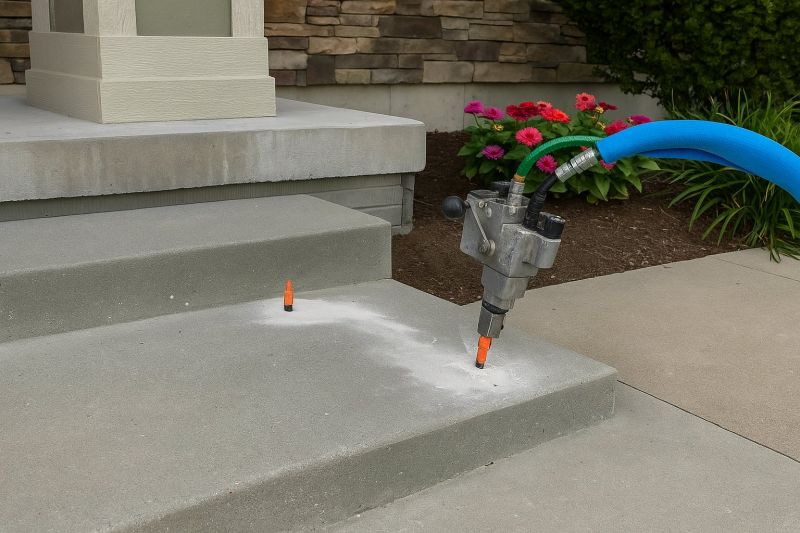
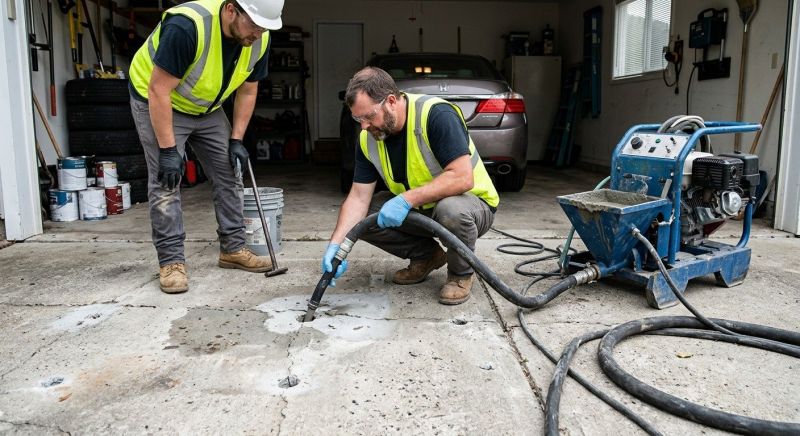
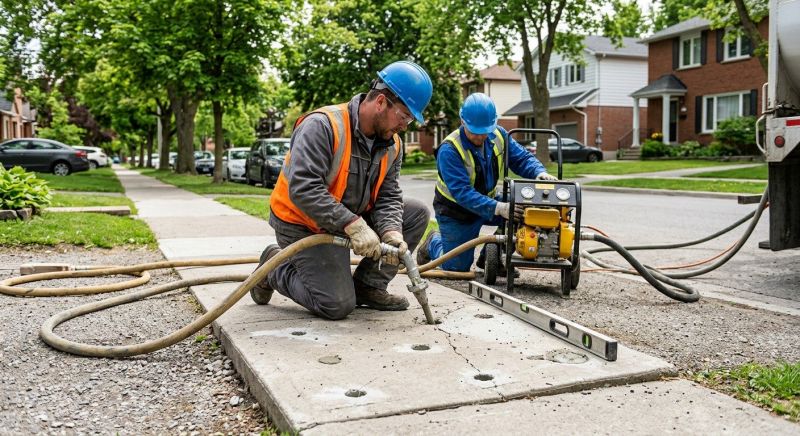
Concrete and driveway filling - repairs cracks and holes to restore surface integrity and safety.
Void Filling Questions
What is void filling used for? Void filling helps stabilize structures by filling gaps beneath floors, slabs, or foundations, preventing settling and shifting.
Which projects benefit from void filling? Projects such as concrete slab repairs, basement leveling, and underpinning often require void filling to ensure stability.
What materials are typically used for void filling? Common materials include foam, gravel, or soil, chosen based on the specific needs of the project and soil conditions.
Is void filling suitable for residential properties? Yes, void filling is often used in residential settings to address foundation issues and improve structural integrity.
Request Void Filling in Denver, CO
Use the quote form on this page to share the basics of your project and request more information for the type of work you need.